Sketches from the Field
sketch an outline of a leaf (on the black), then click generate to grow your leaf ↓

field notes
What it takes to teach a machine a leaf.
I'm a creative who loves emerging technology and trying things before they're any good. Part of being experimental is knowing what each project calls for: sometimes it's a nicely crafted output (I love good craft!), other times it's a thoughtfully considered process. This project is more of the latter. Consider this my personal note from the field.
This project, an attempt to turn a leaf sketch into a generated leaf vein network, is built using pix2pix — a cGAN (conditional generative adversarial network). Here's what that means in practice: you feed it matched pairs (a sketch and its corresponding photo), it trains on them, and then it can take a new sketch and generate its best guess at the real thing. Thousands of pairs later, it can turn a simple sketch into a generated leaf.
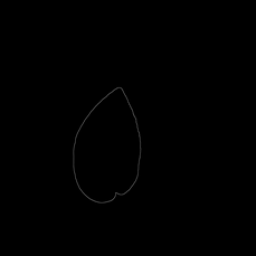 A · input
→
A · input
→
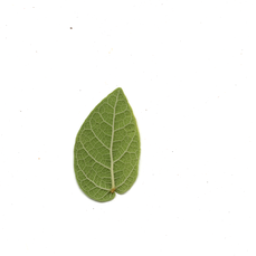 B · target
→
B · target
→
 ?
output (the guess) ↓
?
output (the guess) ↓
This experiment started as an assignment in my Handmade Datasets class with SFPC, where the whole idea is to build your own data by hand instead of using someone else's. It's true that when you can hold the data yourself, you can better understand how it flows through a machine learning model. Doing this was laborious, constrained, and fun.
Leaves in hand, I came into this project with a simple question: what does it take to teach a machine to see what we overlook? And what can teaching a machine, in turn, teach me about life around us?
Gathering data by hand.
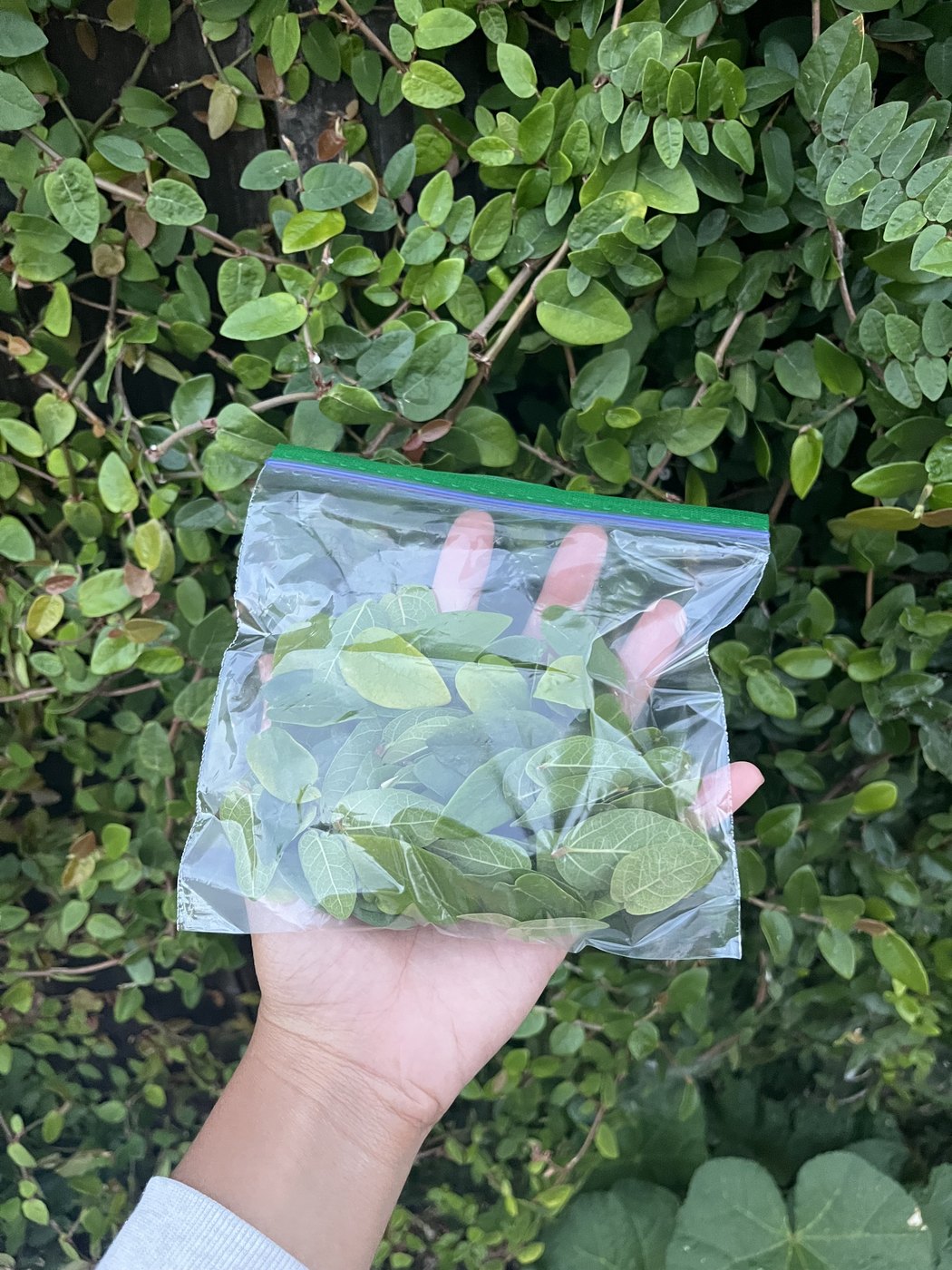
Picking your dataset is the most important part of a project like this — good data creates good results. It's also easy to pick something with too many visual differences between examples, which will quickly turn a small project like this into a certified dummy mission™. I chose to keep it simple: 300 leaves from one shrub type, taught to a small pix2pix model.
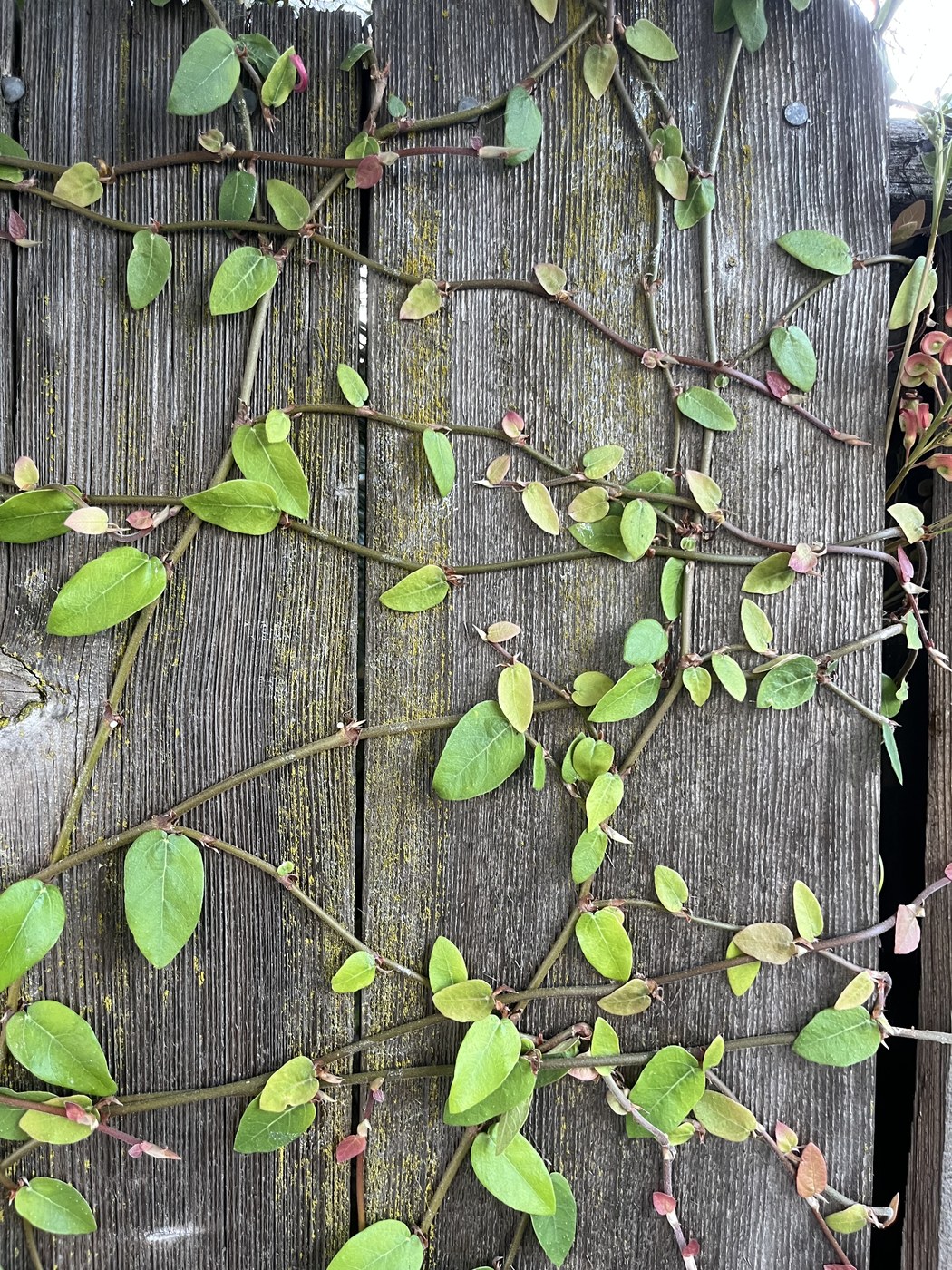
I'm a hobby ecologist, so I'm naturally drawn to the small. For this project, I chose to investigate the vein networks in a leaf — they're vital to life on earth and almost entirely unseen, similar to an ML model's own inputs. I chose the creeping fig (Ficus pumila) as my subject; a little vine that eats fences. It's invasive here in California, so harvesting hundreds of leaves to experiment and troubleshoot felt less harmful to the ecosystem.
Even the same leaf can have so much variance: some are fat and heart-shaped, some long and skinny, some red instead of dark green. I flattened them, laid them on the scanner glass a handful at a time, and scanned every single one before pressing them in a book. This took 10+ hours across many days. I came to appreciate what it takes to gather ML data.
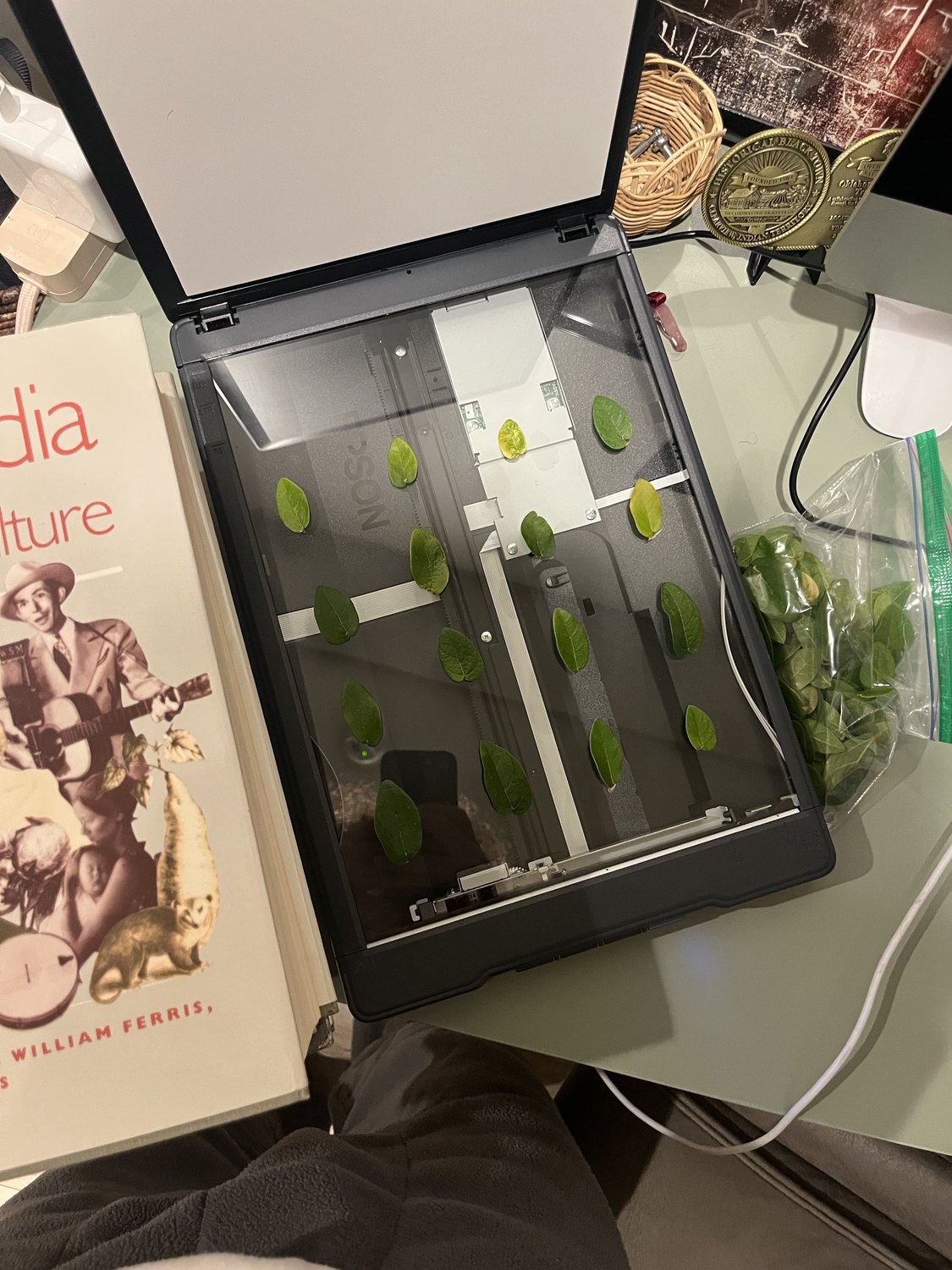
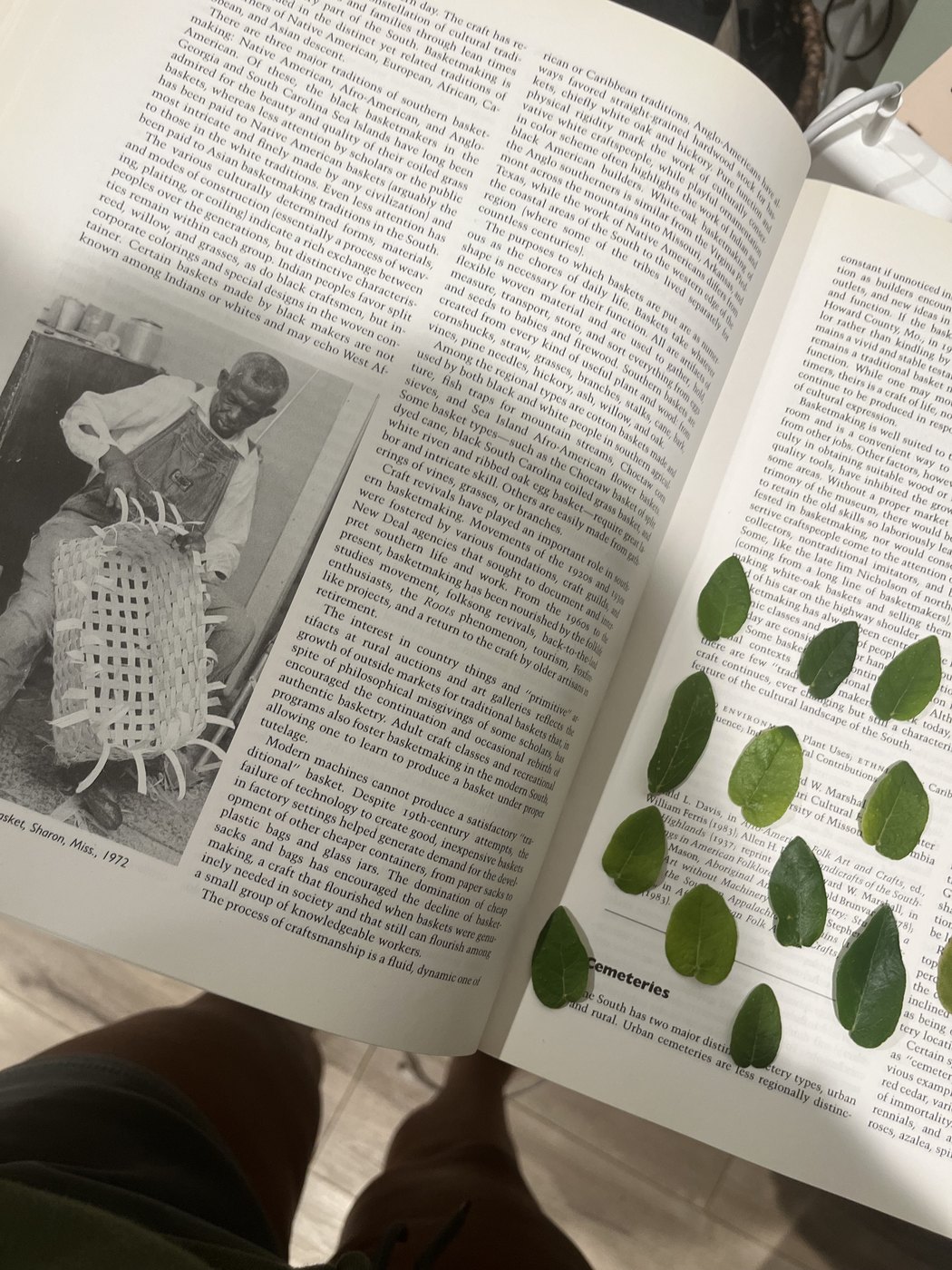
While working away, I reflected on the same lesson generative AI keeps teaching me: we obsess over the outputs while forgetting the inputs — the unglamorous structure it takes to make something beautiful, whether it's a leaf's vein network or a generated image. When we forget the inputs, we forget the intelligence we started with in the first place. In this case, I was examining nature's intelligence — its ability to keep generating itself, over and over, in the perfect way, for a greater good.
I think there's something important to learn from the things we deem small, uninteresting.
Preparing the data, training the model.
Gathering and scanning is only half of it — after that you still have to clean, crop, and grow the data. I augmented my 300 leaves into ~1,200 by flipping them horizontally and vertically, set up a Google Drive to hold it all, and got the training pipeline running.
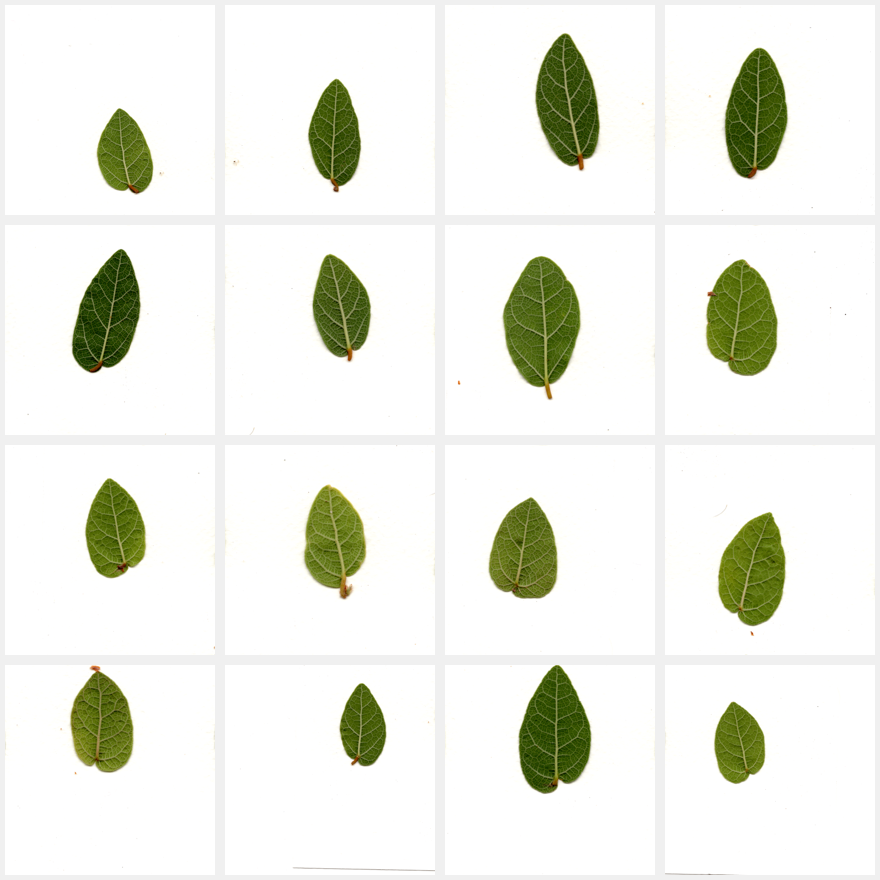
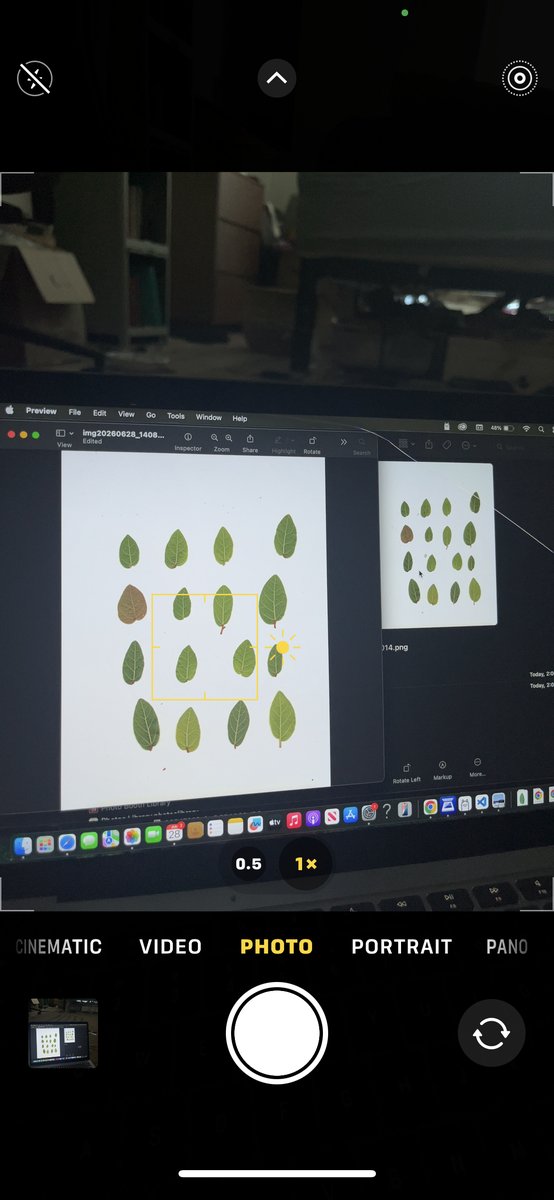
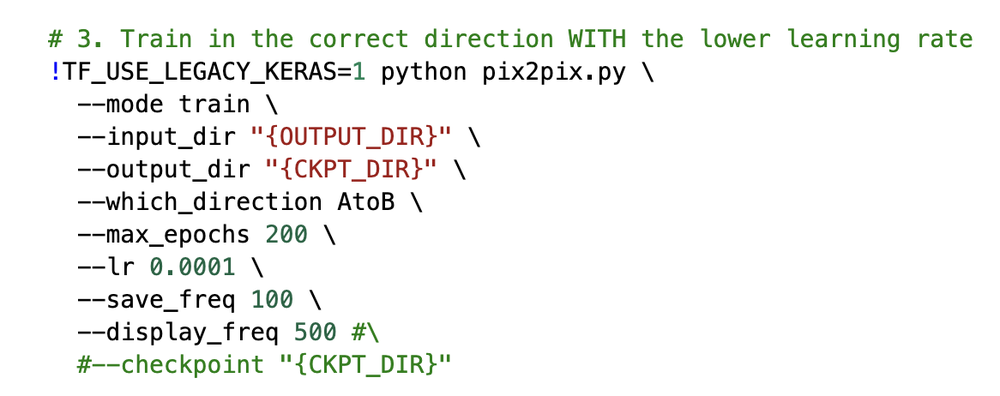
Then came the decisions that actually shape the model. Epochs: one full pass over all the data is one epoch — I set a max of 200, the established standard for pix2pix. Learning rate: how big a step the model takes each time it corrects itself. Too high and it overshoots and crashes; too low and it's making painfully slow progress (akin to watching a plant sprout for hundreds of hours straight). I used 0.0001 — cautious, maybe overcautious. Save frequency (100): saves the model itself — checkpoints, trained weights you can load and use later. Display frequency (500): saves preview images every 500 steps — the input, the guess, the target — so you can literally watch it learning (this was my favorite part!). I did undertrain it a bit in the end. You live, you learn, you train again.
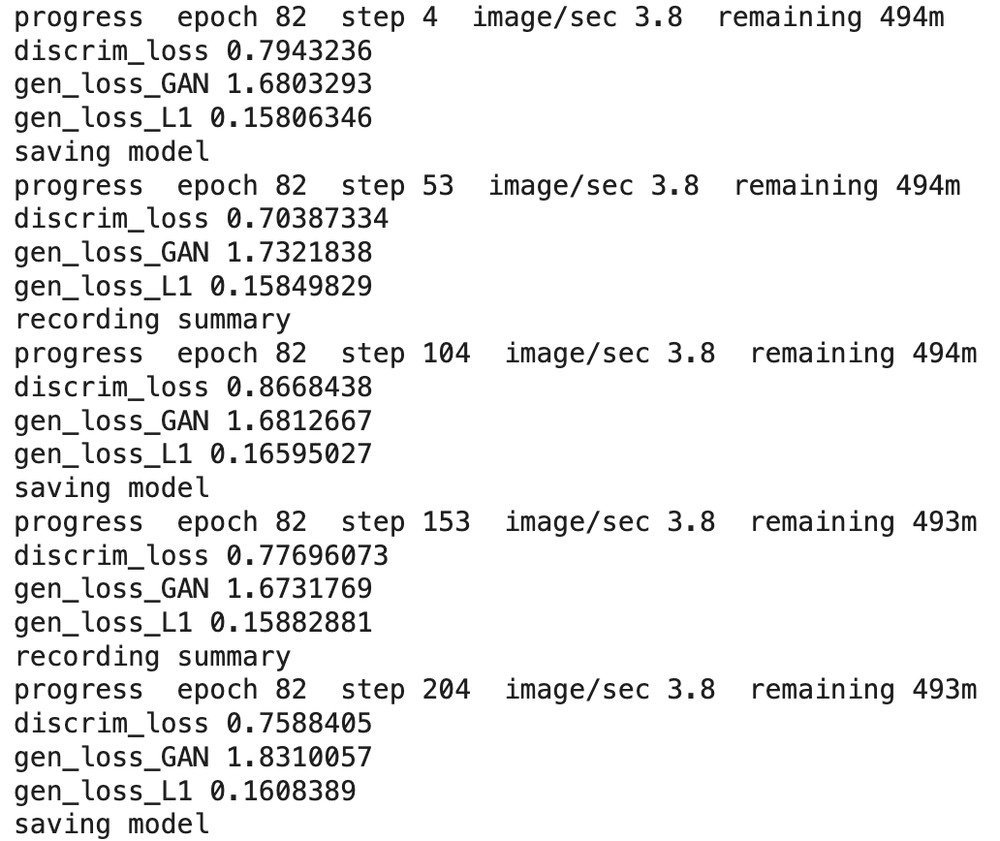
And then you wait. The logs tick past — discriminator loss, generator GAN loss, L1 loss — three numbers flashing across the screen for hours. Checkpoint by checkpoint, a blurry leaf starts to appear and take form.
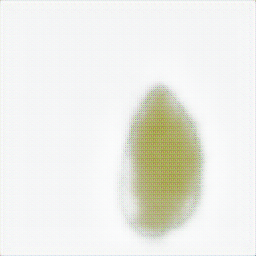 checkpoint 99
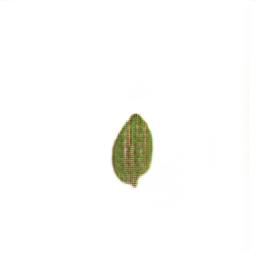 checkpoint 1,900
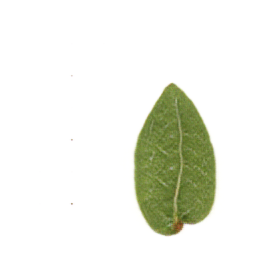 checkpoint 43,200
It kind of looks like shit. Here's what I see anyway.
Ok, let's look at this thing. Smeary, dithered, a little haunted looking (why is AI so uncanny?!) — but look closer: it learned green in the middle, pale at the vein, darker at the edge. It started trying to figure out veins, chaotically. A blank network now has opinions.
And I came away understanding what it actually takes to build one — the cost of a dataset, the demands of a model, and the complexity of even the smallest things. I'm excited to keep iterating.
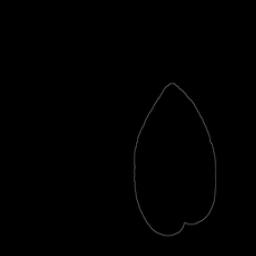 input
input
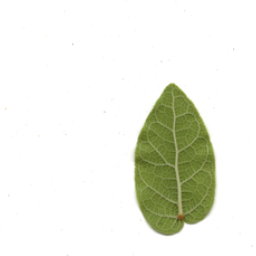 real leaf
it guessed
real leaf
it guessed
Can a machine learn a vein, then dream a new one?
That was the real question. Veins are unseen, we don't think about them, but they hold up the whole leaf, and the leaf holds up the ecosystem, and the air we breathe. It felt like a fitting thing to ask a model to learn: the intimate, structural, easy-to-overlook parts. It reminds me of the overlooked dataset driving the models we love to use.
Watching it train, checkpoint by checkpoint, a hundred images at a time, I understood ML differently. The output isn't the point. The inputs are — the data, the pipeline, the thousands of small decisions. The labor is the real star here; whether you're building these datasets, the models that use them, or maintaining them, they're made by many, many hands.
What artists have been saying for so long is true: the purpose is the process, and the labor is the art.
So maybe it hasn't quite imagined new veins yet — or answered the biggest questions of the plant universe — but I do have ideas for the next pass. What's another epoch anyway?
open questions
- What does it actually take to watch a model learn over time?
- How do machines struggle with the intimate parts of experience — the branch of a vein, a thing that feels rather than resolves?
- Can ML be a tool for thinking about how we create with it, not just a tool for making?
next pass
- Put the veins into dataset A, not just the outline.
- Train it longer — it's probably a little undertrained.
- Try flowers next. Something with more color.
- Make a film or animation of the model learning.
This html demo of pix2pix is slightly modified from Dongphil Yoo's pix2pix-ml5-demo